Professional fire damage restoration services
Understanding Fire Damage Restoration
Experiencing a fire in your home or business is a traumatic event. Beyond the immediate danger, the aftermath can be overwhelming. Understanding the process of fire damage restoration is the first step towards recovery. This involves not only repairing the visible damage but also addressing the hidden dangers that fire can leave behind.
Immediate Steps After a Fire
Your safety is paramount. Once the fire department has given the all-clear, take these immediate steps:
- Contact Your Insurance Company: Promptly file a claim. They will guide you through the necessary paperwork and processes.
- Secure the Property: If possible, board up windows and doors to prevent further damage from weather or vandalism.
- Document the Damage: Take photos and videos of the damage before any cleanup begins. This documentation is crucial for your insurance claim.
- Avoid Entering Unsafe Areas: Charred structures may be unstable, and soot can be hazardous.
The Fire Damage Restoration Process
A professional fire damage restoration company follows a structured approach to restore your property:
- Assessment and Inspection: A thorough assessment of the damage is conducted, including structural damage, smoke residue, and water damage from firefighting efforts.
- Board-Up and Tarping: To prevent further damage, the property is secured with board-up services for windows and doors and tarping for roof damage.
- Water Removal and Drying: Water from fire hoses can cause significant damage. Professional equipment is used to remove standing water and thoroughly dry the affected areas to prevent mold growth.
- Smoke and Soot Removal: Smoke and soot can penetrate deep into surfaces, causing lingering odors and health hazards. Specialized cleaning techniques and equipment are used to remove these residues from walls, ceilings, and belongings.
- Cleaning and Sanitizing: All salvageable items and structures are cleaned and sanitized to remove remaining contaminants.
- Deodorization: Fire creates powerful odors that can persist long after the fire is extinguished. Deodorization techniques, such as thermal fogging and ozone treatment, are used to neutralize these odors.
- Restoration and Repairs: This involves rebuilding damaged structures, replacing flooring, painting, and other necessary repairs to return the property to its pre-fire condition.
Understanding Smoke and Soot Damage
Smoke and soot are byproducts of fire that can cause extensive damage and pose health risks. Different types of fires produce different types of soot, each requiring specific cleaning methods:
- Protein Fires: Result from burning food in kitchens. They leave behind a pungent, often invisible residue that can be difficult to remove.
- Oil and Fuel Fires: These fires produce thick, oily soot that adheres strongly to surfaces.
- Natural Material Fires: Burning wood or paper creates a dry, powdery soot that is relatively easy to clean.
- Synthetic Material Fires: Burning plastics or synthetic fabrics produces a corrosive soot that can cause significant damage to surfaces and electronics.
The Importance of Professional Fire Damage Restoration
While it may be tempting to tackle fire damage restoration yourself, hiring a professional company is crucial for several reasons:
- Experience and Expertise: Professional restoration companies have the knowledge, training, and equipment to handle all aspects of fire damage restoration safely and effectively.
- Hidden Damage: Professionals can identify hidden damage, such as structural weaknesses or mold growth, that may not be apparent to the untrained eye.
- Health and Safety: Soot and smoke contain hazardous substances that can pose serious health risks. Professionals use specialized equipment and techniques to protect themselves and your family during the cleanup process.
- Insurance Claims: Restoration companies work directly with insurance companies to streamline the claims process and ensure that you receive the coverage you are entitled to.
- Complete Restoration: Professionals ensure that your property is fully restored to its pre-fire condition, addressing both the visible and hidden effects of the fire.
Preventing Future Fires
Taking steps to prevent future fires can protect your home and family:
- Install Smoke Detectors: Ensure that you have working smoke detectors on every level of your home and test them regularly.
- Maintain Electrical Systems: Have your electrical systems inspected regularly by a qualified electrician.
- Be Careful with Cooking: Never leave cooking unattended, and keep flammable materials away from the stove.
- Store Flammable Materials Safely: Store flammable materials, such as gasoline and propane, in approved containers and away from heat sources.
- Have a Fire Escape Plan: Develop and practice a fire escape plan with your family.
Fire damage restoration is a complex process that requires specialized knowledge and equipment. By understanding the steps involved and the importance of professional restoration, you can take control of the recovery process and restore your property to a safe and habitable condition.
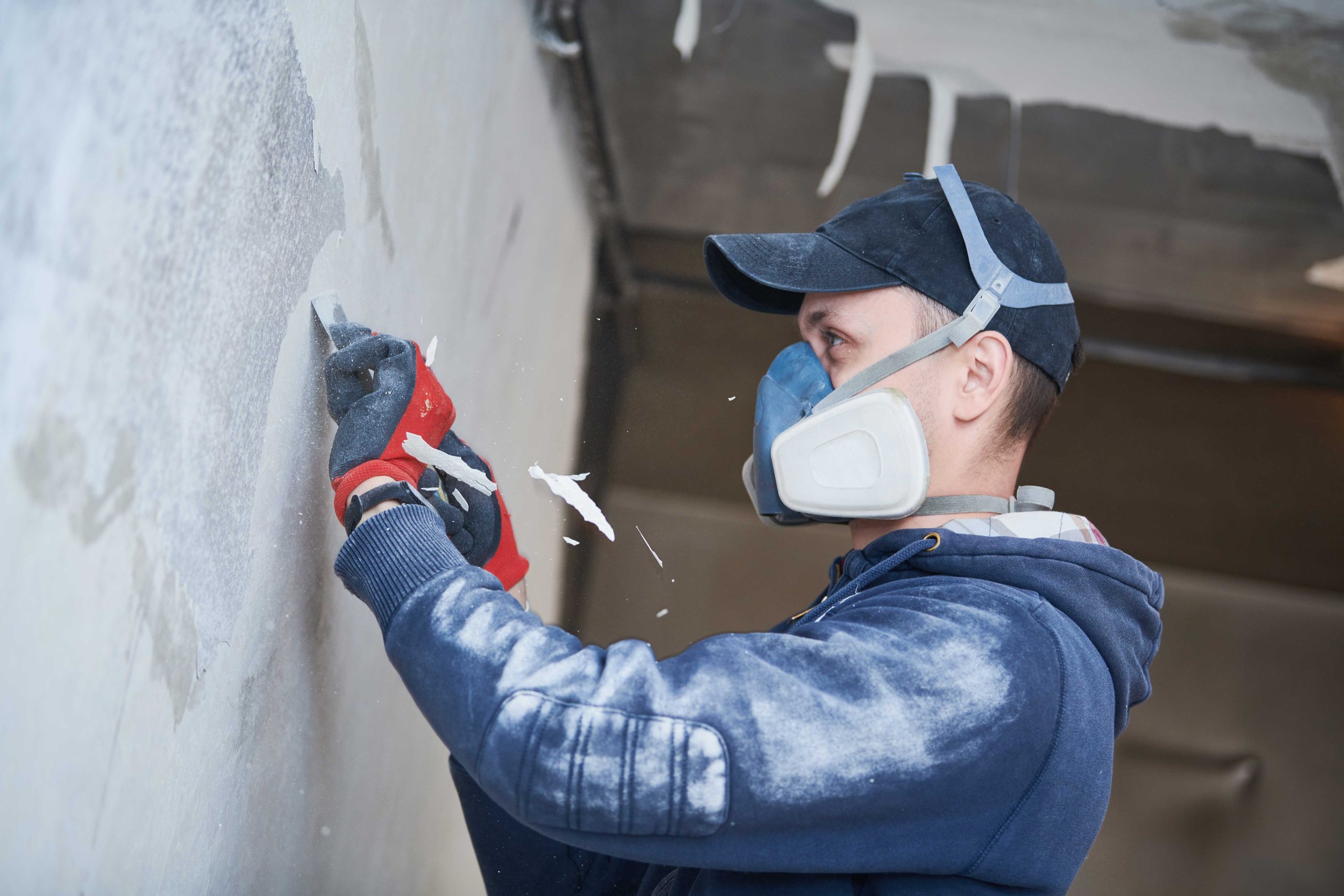
Get your local fire damage restoration estimate!
Understanding Fire Damage and Emergency Cleanup
A fire can be a devastating event, leaving behind not only physical damage but also emotional distress. Understanding the nature of fire damage and the importance of prompt and professional cleanup is crucial for restoring your property and ensuring a safe environment. This section aims to provide a comprehensive overview of what fire damage entails and why immediate action is necessary.
The Scope of Fire Damage
Fire damage extends far beyond what is immediately visible. While the flames themselves cause significant destruction, the resulting smoke, soot, and water used to extinguish the fire can create additional problems. Here’s a breakdown of the various elements that contribute to fire damage:
- Structural Damage: Fire can weaken the structural integrity of buildings, leading to collapsed roofs, damaged walls, and compromised foundations.
- Smoke and Soot Contamination: Smoke particles and soot can penetrate deep into porous materials, such as carpets, upholstery, and drywall, causing lingering odors and health hazards.
- Water Damage: Firefighters often use large volumes of water to suppress fires. This water can lead to mold growth and further damage to your property if not addressed promptly.
- Corrosion: Smoke and soot contain acidic compounds that can corrode metal surfaces and electronic equipment.
- Odor: The lingering smell of smoke can be pervasive and difficult to eliminate without professional intervention.
The Importance of Emergency Fire Cleanup
Immediate action after a fire is essential for several reasons. Delaying cleanup efforts can exacerbate the damage, leading to higher restoration costs and potential health risks. Here’s why emergency fire cleanup is crucial:
- Preventing Further Damage: Smoke and soot can continue to cause damage long after the fire is extinguished. Immediate cleanup can minimize the extent of this secondary damage.
- Mitigating Health Hazards: Smoke and soot particles can cause respiratory problems, skin irritation, and other health issues. Professional cleanup removes these contaminants, creating a safer environment.
- Reducing Odor: Smoke odor can be extremely persistent. Professional cleanup utilizes specialized equipment and techniques to neutralize odors at their source.
- Salvaging Contents: The sooner cleanup begins, the greater the chance of salvaging valuable belongings. Professionals can assess and restore items that might otherwise be lost.
- Expediting Restoration: Prompt cleanup paves the way for faster and more efficient restoration. It allows contractors to assess the damage and begin repairs without delay.
Understanding the Fire Cleanup Process
Emergency fire cleanup is a complex process that requires specialized knowledge, equipment, and techniques. Here’s an overview of the typical steps involved:
1. Safety Assessment and Mitigation
The first step is to ensure the safety of the property and its occupants. This involves assessing structural stability, identifying potential hazards, and taking steps to mitigate risks. Professionals will also board up any openings to prevent further damage from the elements.
2. Water Removal and Drying
If water was used to extinguish the fire, it’s crucial to remove the water and dry the affected areas as quickly as possible. This helps prevent mold growth and further damage to structural materials. Specialized equipment, such as pumps and dehumidifiers, is used to extract water and reduce moisture levels.
3. Smoke and Soot Removal
Smoke and soot removal is a critical part of the cleanup process. Professionals use specialized cleaning agents and techniques to remove soot from surfaces and neutralize smoke odors. This may involve cleaning walls, ceilings, floors, and other affected areas.
4. Content Cleaning and Restoration
The next step is to clean and restore salvageable contents. This may involve cleaning furniture, upholstery, carpets, and personal belongings. Specialized techniques, such as ultrasonic cleaning and ozone treatment, may be used to restore items to their pre-fire condition.
5. Structural Repairs and Reconstruction
Once the cleanup is complete, the focus shifts to structural repairs and reconstruction. This may involve repairing or replacing damaged walls, ceilings, floors, and other structural elements. The goal is to restore the property to its pre-fire condition.
6. Final Inspection and Approval
After all repairs are complete, a final inspection is conducted to ensure that the property is safe and habitable. This inspection may involve testing for residual smoke and soot particles, as well as ensuring that all repairs meet building codes and safety standards.
Choosing a Fire Damage Cleanup Service
Selecting the right emergency fire cleanup service is essential for a successful restoration. Look for a company that has the following qualifications:
- Experience: Choose a company with a proven track record of successful fire damage restoration projects.
- Certification: Ensure that the company is certified by reputable organizations, such as the Institute of Inspection, Cleaning and Restoration Certification (IICRC).
- Equipment: The company should have access to specialized equipment, such as air scrubbers, dehumidifiers, and ozone generators.
- Insurance: Verify that the company carries adequate insurance to protect you from liability.
- References: Ask for references from previous clients and check online reviews.
Taking the Next Steps
If you have experienced a fire, it’s important to take action immediately. Contact a qualified emergency fire cleanup service to assess the damage and begin the restoration process. The sooner you start, the greater the chance of minimizing damage and restoring your property to its pre-fire condition. Remember that a swift and professional response is key to a successful recovery.